
Product Introduction
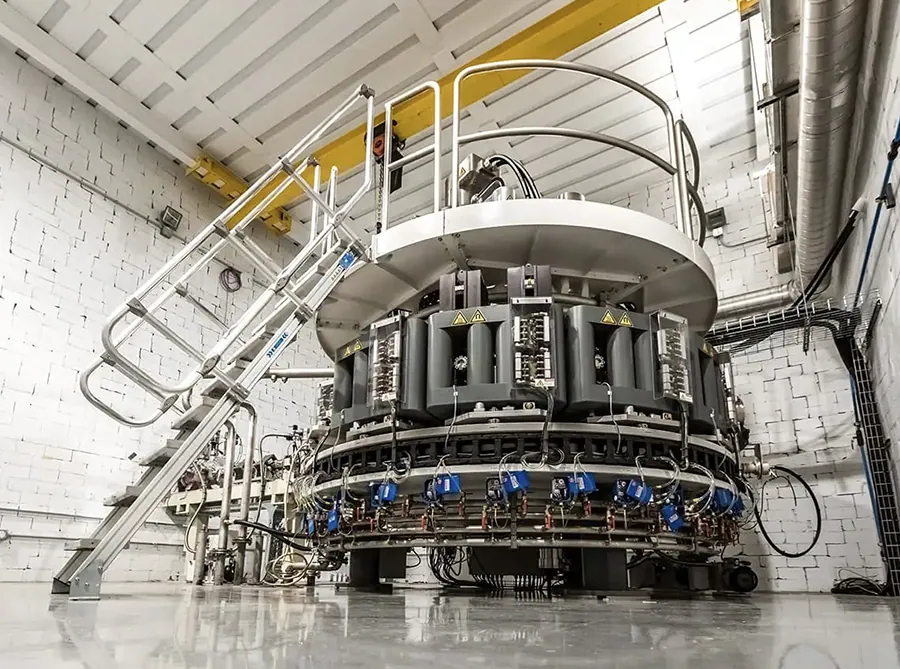
An integrated radiopharmaceutical platform based on a high-energy, high-current electron accelerator, connecting the full chain capabilities of 'accelerator + target station + separation and purification'.
High-energy intense electron accelerator
Core components are independently developed, achieving stable output at the 200 kW level.
High-Power Target Station System
High-load target components and fast heat exchange structures support continuous production.
GMP-grade separation and purification
The multi-stage separation process ensures the purity and consistency of radionuclides, meeting medical standards.
Core Nuclide Products and Capabilities
Nuclear medicine that integrates therapy, diagnosis, and treatment, focusing on high-value clinical application scenarios, and providing stable production capacity from preparation to purification.
225Ac
α radioactive treatment element
Half-life 10 days
Tumor-targeted therapy (prostate cancer, colorectal cancer, etc.)
99Mo
Radioactive diagnostic element
Half-life 66 hours
Cancer Diagnosis (SPECT Imaging Materials)
67Cu
Radioactive therapeutic elements
Half-life 61 hours
Treatment for prostate cancer, cervical cancer, etc.
47Sc
Diagnosis + Treatment Dual-Function Element
Half-life 3.35 days
Targeted therapy + SPECT imaging
Ac-225: Next-generation targeted therapeutic radionuclide
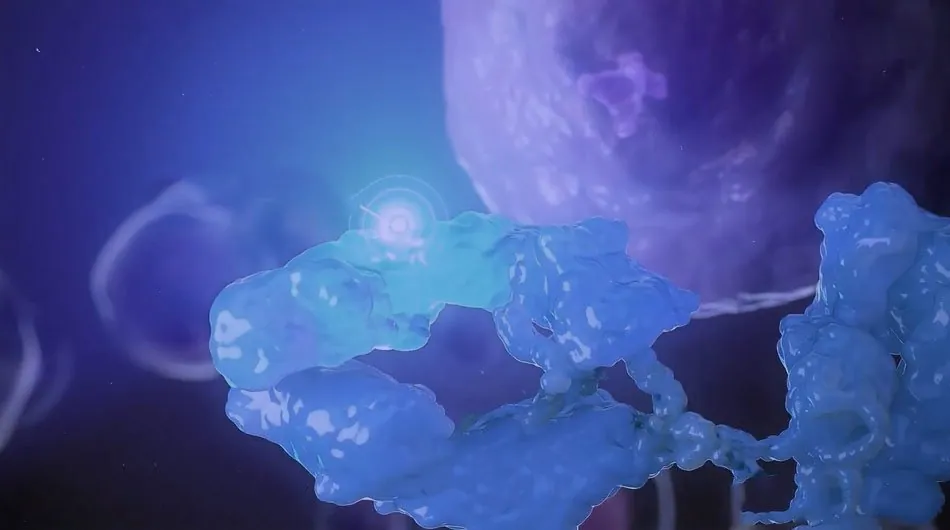
Ac-225 is the core drug carrier for alpha-particle targeted radionuclide therapy (α-TAT), with a half-life of 10 days. Its decay chain releases 4 alpha particles and 2 gamma photons, providing both efficient therapeutic and imaging diagnostic capabilities.
High-efficiency killing
The LET of α particles is approximately 100 keV/μm, which can directly cause DNA double-strand breaks. Their range is less than 100 μm, allowing precise killing of tumor cells without damaging surrounding healthy tissue. They are not affected by the oxygenation status of cells and can effectively kill hypoxic tumor cells.
Broad-spectrum antitumor
Effective against refractory and metastatic tumors, especially showing unique advantages in the treatment of micrometastases, and is applicable to various solid tumors such as prostate cancer and neuroendocrine tumors. Clinical trials cover acute myeloid leukemia, glioma, and others, while preclinical studies involve breast cancer, pancreatic cancer, melanoma, and more.
Low toxicity
The overall systemic toxicity is mild, and adverse reactions are mostly minor symptoms such as dry mouth, nausea, and fatigue. Short-range alpha particles concentrate the energy release in the targeted area, resulting in extremely low systemic radiation exposure, and the accumulation in the kidneys can be reduced to below 5%.
Integrated diagnosis and treatment
The decay chain simultaneously releases γ photons, which can be used for SPECT imaging to achieve a precise medical model of 'single-dose administration with simultaneous diagnosis and treatment'.
Immune activation
Immunogenic cell death induced by alpha particles can activate anti-tumor immune responses and shows potential for synergistic effects when combined with immune checkpoint inhibitors. It can be used in combination with chemotherapeutic drugs (such as cytarabine) and other radionuclides (such as 177Lu).
Wide target adaptability
Can be combined with various ligands such as PSMA-617, DOTA-TOC, HuM195 monoclonal antibody, FAPI-04, and substance P, adapting to different tumor targets and expanding the scope of clinical applications.
Platform Advantages
Stable production capacity
The modular system supports quick target replacement and remote maintenance.
Fully self-developed process
Accelerators, target stations, and separation processes are optimized together to reduce costs.
Copyable Extension
Capable of multi-point deployment, supporting regional medical isotope supply.